
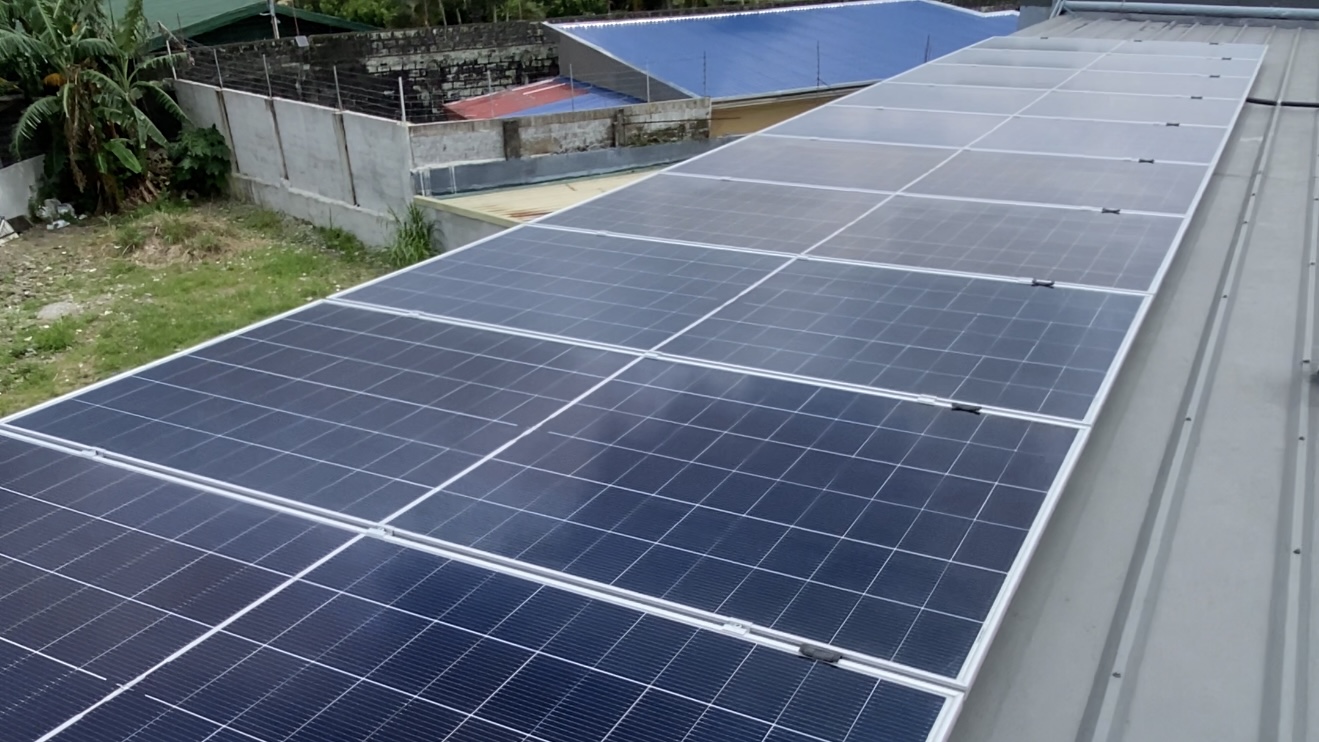
Solar panels are usually sold with 20 to 25-year performance warranties, but the practical lifespan of a system depends heavily on how it's treated day to day, not just the manufacturer's spec sheet. In a climate like the Philippines', that gap between rated lifespan and actual lifespan can be significant.
What Actually Wears a Panel Down
Three factors do most of the damage over time: prolonged UV exposure gradually affecting the glass and internal materials, moisture finding its way into seals and connections, and physical damage from improper handling or cleaning. Of these, physical damage from DIY cleaning mistakes is the one most within an owner's direct control.
The Scratching Problem
Abrasive brushes, scouring pads, and excessive pressure during cleaning can permanently scratch the anti-reflective glass layer. Unlike dirt, a scratch never comes off, and it shortens the panel's useful life by permanently reducing how much light reaches the cells underneath, no matter how well-maintained the system is otherwise.
How Coating Extends Real-World Lifespan
A NanoTech coating adds a protective barrier against UV, moisture, and general environmental wear, meaningfully extending how long the panel performs well before natural degradation sets in. It also reduces how often manual cleaning is needed in the first place, which lowers the cumulative risk of accidental scratching over the panel's lifetime. Full details are on our NanoTech coating service page.
Habits That Help, Coated or Not
Avoid pressure washers and abrasive tools entirely. Clean during cooler parts of the day to prevent thermal shock on hot glass. Never walk directly on panels, since even careful foot traffic risks micro-fractures that aren't visible from the surface. These habits protect lifespan regardless of whether a panel is coated.
Frequently Asked Questions
Does coating actually add years to a panel's life, or just protect appearance?
It affects functional lifespan, not just looks. By shielding the glass from UV and moisture-related wear, coating slows the gradual degradation that eventually reduces output below a usable threshold, extending the years a panel remains worth keeping in service overall.
Is it too late to extend the lifespan of older panels?
Not necessarily, as long as the glass hasn't already sustained significant scratching or damage. Coating can still be applied to older systems in reasonably good condition, and simply switching to safer cleaning habits going forward helps regardless of the panel's age.
Does typhoon exposure shorten a panel's usable lifespan?
Physical debris impact can, though panels are generally engineered to withstand typical storm conditions. The more common typhoon-related risk to lifespan is the mud and residue left behind afterward, which can accelerate surface wear if left uncleaned for extended periods.
How do I know if my panels are nearing the end of their useful life?
A steady, unrecoverable decline in output that cleaning no longer restores is the clearest sign, especially alongside visible surface damage like scratching or discoloration. At that point, a professional inspection can confirm whether the issue is maintenance-related or simply age-related.
