
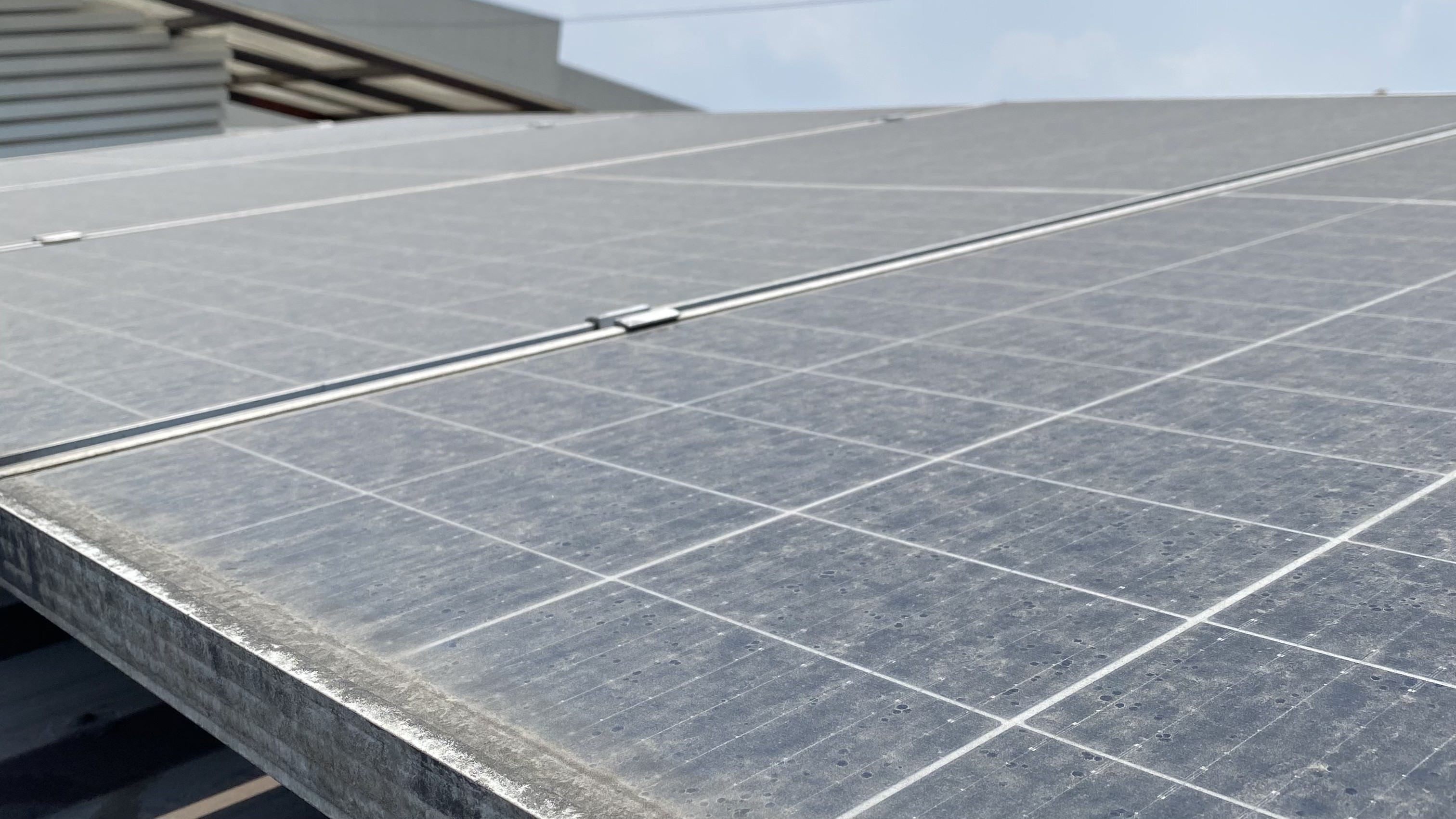
Unlike a car that makes a warning noise when something's wrong, solar panels lose performance silently. Knowing what to actually look for — both visually and in your production data — is the difference between catching an issue early and only noticing months later, once it's already cost real money.
The Most Reliable Sign: Your Production Data
Visual dirtiness can be deceptive — some grime is barely visible but still blocks meaningful light, while heavier surface dust sometimes has less impact than it looks. Comparing your current output to the same period last year, using your solar monitoring app, is the most objective way to catch a genuine decline rather than relying on appearance alone.
Visual Signs Worth Checking Regularly
A hazy or dull film across the glass, visible dust accumulation, bird droppings, or noticeable water spots are all reasonable visual indicators that cleaning is due. None of these alone confirm exactly how much output is being lost, but consistently spotting them is a fair signal to schedule an inspection.
Seasonal and Location-Based Signs
Properties near construction sites, busy roads, or under overhanging trees tend to show buildup faster than more sheltered locations. Similarly, right after a stretch of dry weather following light rain is often when dust and residue are most visibly settled onto the glass surface.
What Happens If These Signs Are Ignored
Small, unaddressed buildup compounds over time rather than staying constant — dust accumulates on top of existing residue, and mineral spots from evaporated water can become more difficult to remove the longer they're left. Addressing early signs typically means a simpler, faster service than waiting until buildup becomes heavy. Our cleaning service is built around catching these signs early.
Frequently Asked Questions
Is a lower electric bill always a sign of dirty panels?
Not always — other factors like weather, shading changes, or equipment issues can also affect output. But a gradual decline with no other clear explanation is one of the more common and consistent signs that panels need cleaning soon, especially if it continues over several weeks.
Can I tell if panels are dirty just by looking from the ground?
Sometimes, especially with heavier buildup, but subtler dust films that still meaningfully reduce output are often hard to spot from a distance. Checking production data alongside a closer visual inspection gives a more complete, reliable picture than either method used on its own.
How quickly do these signs typically appear after cleaning?
It depends heavily on location and conditions — dusty or high-traffic areas may show early signs again within a couple of months, while cleaner, less exposed sites can stay in good condition considerably longer between each scheduled service and inspection.
Does a coated panel show these signs differently?
Yes — coated panels tend to show these signs far less often and less severely, since the self-cleaning surface actively resists the buildup that causes most of these visual and performance-based signs from ever fully developing in the first place.
