
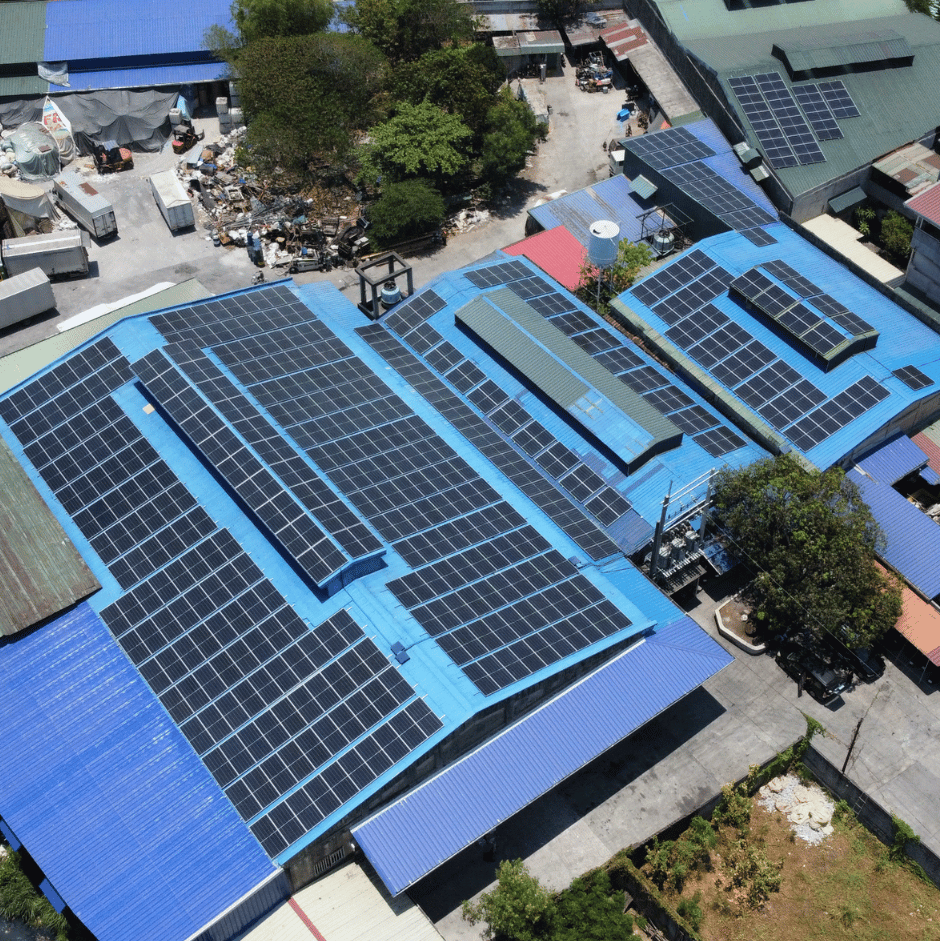
Typhoon season brings an obvious worry for solar panel owners: physical damage from wind and flying debris. That risk is real, but it's usually not the part that quietly costs you the most power. The bigger, less-discussed problem shows up in the weeks after the storm passes, once the skies clear and everyone assumes the worst is over.
The Obvious Risk: Debris and Physical Damage
Strong winds can send branches, loose roofing material, and airborne debris into panels, and mounting systems face real structural stress during severe storms. This is worth a genuine visual inspection after any major typhoon — cracked glass or a loosened mount is a safety issue, not just a performance one, and shouldn't wait.
The Overlooked Problem: Post-Typhoon Grime
Here's what most people don't expect: typhoons often leave panels dirtier, not cleaner, once everything settles. Storm winds kick up mud, plant debris, and dust from disturbed ground, and heavy rain carries all of it onto your roof along with runoff from nearby structures and trees. For properties near the coast, storm winds can also carry salt spray, which leaves a residue that behaves differently from ordinary dust and can be more corrosive if left on metal fittings and frames over time.
Does Heavy Rain During a Typhoon Clean Your Panels?
Partially, and this connects to a myth worth clearing up on its own: light rain often just smears dust into a film rather than washing it away. Typhoon-level rain is a different story — there's enough volume to rinse off a good amount of loose debris. But it's not a complete reset. Mud, sap, and anything that's bonded to the glass rather than sitting loosely on top usually survives even a heavy downpour, which is why panels can still look noticeably dirty once a storm passes.
Pre-Typhoon and Post-Typhoon Checklist
- Before the storm: confirm mounting hardware is secure, and clear any overhanging branches that could break off onto the array.
- Immediately after: do a visual check from the ground for obvious cracks, dislodged panels, or debris caught in the array — skip climbing onto a wet or damaged roof yourself.
- Within the following weeks: monitor your solar app's production data for any unexplained drop, which can signal either leftover grime or hidden damage worth a professional look.
Why Coated Panels Handle Storm Season Better
This is where a self-cleaning NanoTech coating earns its keep the most. Its superhydrophilic property means storm rain sheets evenly across the surface instead of just adding to a muddy film, carrying more debris away as it goes. It won't prevent physical debris impact, but it meaningfully reduces the grime buildup that typically follows a storm, meaning less of that post-typhoon "why does production still look low" problem once the weather clears. If your panels need attention after a storm, our cleaning service handles the immediate cleanup, while our coating service helps reduce this problem before the next storm arrives.
Frequently Asked Questions
Should I cover my panels before a typhoon?
Generally not recommended — panels are engineered to withstand significant wind and rain exposure, and covering them can create its own risks depending on the method used. Securing loose nearby objects and trimming overhanging branches is usually a more useful precaution.
How soon after a typhoon should I get panels checked?
If there's any visible damage or a noticeable drop in production, sooner is better — within a couple of weeks is a reasonable window for a full assessment. Comparing your production data to a typical month can help you decide how urgent that inspection should be.
Does salt air near the coast require different maintenance?
Coastal properties often benefit from more frequent attention, since salt residue can affect both the glass surface and metal mounting hardware differently than inland dust does. Left unaddressed over time, it can also contribute to corrosion on exposed frames and fittings.
Can typhoon damage void my panel warranty?
This depends on your panel manufacturer's specific terms — worth checking your original installation paperwork, since this is separate from any cleaning or coating service warranty. Documenting any storm damage with photos soon after the event can also help if you do need to file a claim.
