
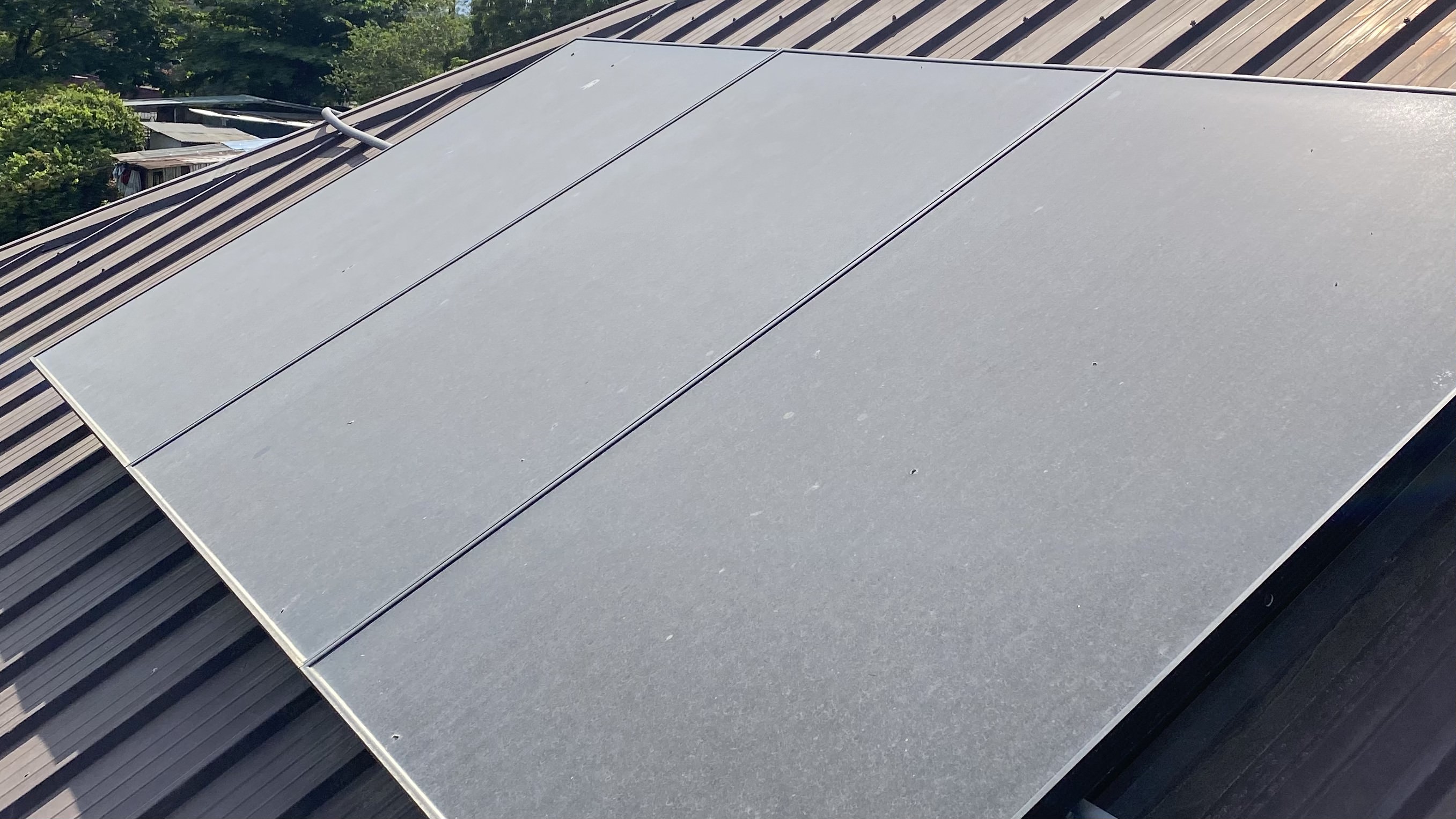
A gradual drop in solar output is easy to miss until months have passed and the difference becomes obvious on an electricity bill. Understanding what's actually causing that decline is the first step to addressing it — and in the Philippines specifically, a few local factors accelerate the process more than most owners realize.
Dust and Dirt Blocking Sunlight
The most direct cause is also the simplest: dust, dirt, pollen, and bird droppings physically sit between sunlight and the solar cells underneath. Every bit of buildup reduces how much light actually reaches the panel, and this effect compounds daily until the panel is cleaned.
Why the Philippines Specifically Accelerates This
Urban pollution, high humidity, and unpredictable rain patterns all contribute more here than in drier, less densely populated climates. Humidity in particular helps dust adhere more stubbornly to glass, while inconsistent rain means panels can go from dry and dusty to smeared and streaked without ever getting a thorough natural rinse.
The Less Obvious Cause: Light Reflection
Even a clean, untreated panel isn't performing at its full potential — standard glass reflects away a portion of usable sunlight rather than letting it all reach the solar cells. This is separate from dirt entirely, which is why a NanoTech coating's anti-reflective property can boost output 2–8% beyond even a spotless uncoated panel.
How to Actually Recover Lost Efficiency
Professional cleaning restores your system to its true baseline by removing the accumulated dust and residue causing the most immediate loss. Adding a NanoTech coating goes a step further, addressing the reflection-based loss that cleaning alone can't fix, while also reducing how quickly dust builds up again in the first place. Our cleaning and coating services are designed to work together for exactly this.
Frequently Asked Questions
How much efficiency can dirty panels actually lose?
It varies by site and conditions, but our verified before-and-after data across serviced systems shows an average recovery of 20–23% once panels are properly cleaned, based on real production data compared from each client's own solar monitoring app before and after the service. That's an average across 5,000+ panels, not a ceiling — some clients have seen recovery as high as 66.2%, depending on how much buildup had accumulated beforehand.
Does efficiency loss happen even in cleaner, less dusty areas?
Yes, though more slowly. Even in relatively clean environments, panels still experience some natural light-reflection loss on untreated glass, and gradual mineral buildup from rain still occurs over time regardless of how dust-free the surrounding area feels or seems day to day.
Can efficiency loss damage my panels permanently?
Dirt-related loss itself is fully reversible through proper cleaning, but improper DIY cleaning attempts using abrasive tools can cause permanent scratching, which is a separate and much more serious problem than the original dust buildup ever was on its own.
How often should I check for efficiency loss?
Monitoring your solar app's production data monthly is a practical habit — a gradual, unexplained decline compared to previous months is usually the clearest early signal that cleaning or an inspection is worth scheduling soon, before the loss becomes more noticeable.
